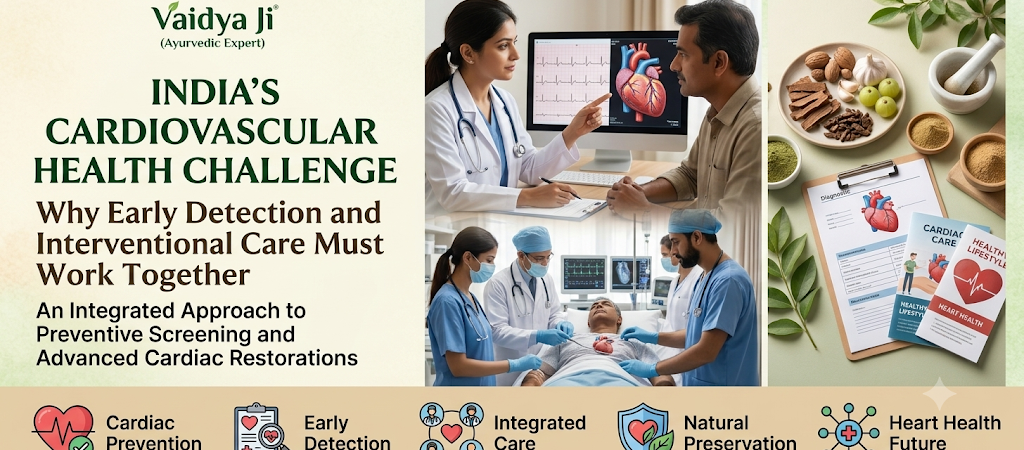
The landscape of cardiovascular health care in India is undergoing a change with a large number of patients with hypertension, diabetes and coronary artery disease visiting hospitals for treatment. The interventional cardiology has seen a paradigm shift with advancements in technologies like angiography, angioplasty and cardiac imaging. The skills of an Interventional Cardiologist in Mumbai can be put to optimum use in managing cases of certain heart conditions with specialized procedures to treat them effectively.
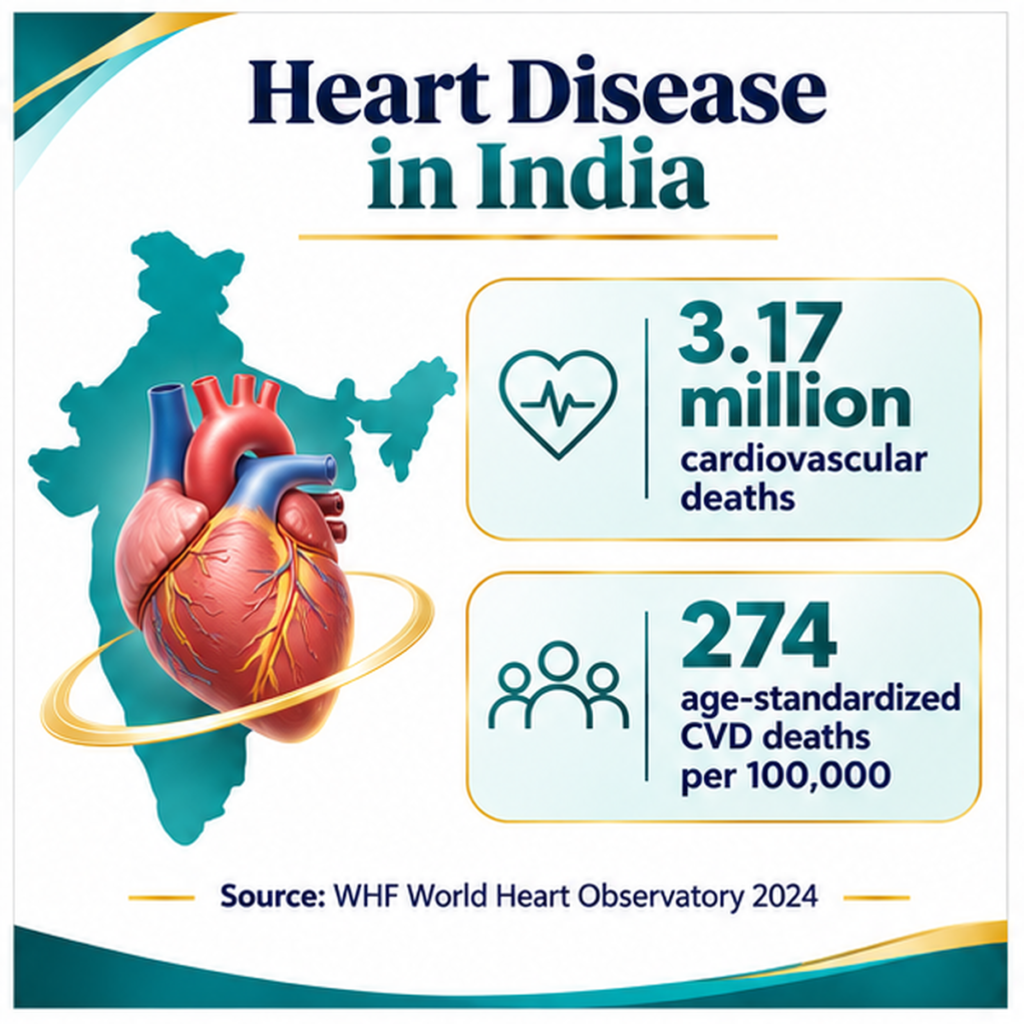
Cardiovascular diseases can kill, and there are about 3.17 million cardiovascular disease deaths in India in 2024, as per the World Heart Observatory of the World Heart Federation. The age-standardized cardiovascular mortality rate in India is 274/100,000.
The root cause of many of the heart disease cases that end up in emergency care today is hypertension, diabetes, high cholesterol, and other risk factors which, if detected early enough, can prevent heart disease from ever developing.
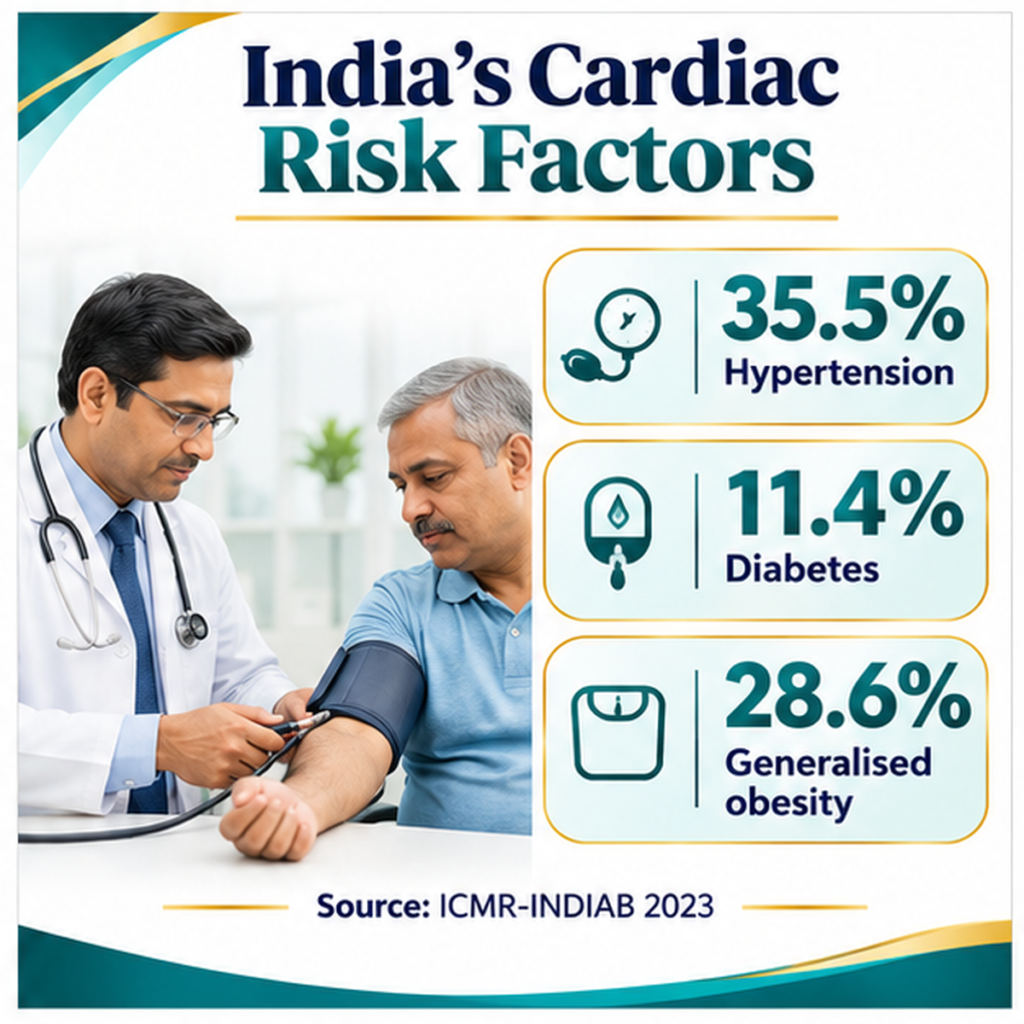
According to the ICMR-INDIAB study, published in The Lancet Diabetes & Endocrinology in 2023, more than one-third of adults in India are suffering from hypertension (35.5%), and about 1 in 9 people have diabetes (11.4%). All these conditions increase long-term cardiovascular disease risk.
Interactions with Heart Specialists in Pune have also provided insight into how experts in the field can work to better assess, diagnose, and treat cardiovascular conditions by streamlining processes for screening for risk, cardiac diagnosis and treatment as well as follow-up. This is vital for the country’s fight against cardiovascular diseases.
1. India’s Cardiovascular Disease Burden Demands Earlier Intervention
Cardiovascular disease is one of the biggest health problems in India.
The World Heart Observatory reported approximately 3,165,172 cardiovascular deaths in India in 2024, with a crude mortality of 217/100,000. Ischaemic heart disease accounted for the highest number of deaths, as reported by the WHO mortality database for the year 2023.
Mortality rates from ischaemic heart disease in India have remained the highest cause of death for the past three years, according to the WHO mortality data online for 2023.
While heart attack is the most commonly known form of cardiovascular disease, there are many more cardiovascular conditions, such as stroke, heart failure, abnormal heart rhythms, and diseases of blood vessels.
There are a large number of cardiac conditions, and often there may be significant cardiac morbidity even before an individual develops a heart attack or a stroke.
Prevention of these conditions can be done by monitoring blood pressure, diabetes, lipid profile, and adopting a healthy lifestyle.
The need to address the cardiovascular disease epidemic in India before a cardiac emergency strikes.
2. Hypertension and Diabetes Are Major Drivers of Cardiovascular Risk
The ICMR-INDIAB study included 113,043 participants across India.
Prevalence of hypertension was 35.5%, diabetes 11.4% and generalised obesity 28.6%.
Of the assessed for lipid abnormalities, 81.2% had dyslipidaemia. Of all participants, 39.5% had abdominal obesity.
These conditions tend to coexist, thus increasing the complexity to manage cardiovascular disease risk.
Continuously high blood pressure can cause damage to blood vessels and lead to a heart attack, stroke and heart failure.
Diabetes accelerates atherosclerosis while abnormal lipid profiles lead to the formation of plaques within the arterial tree.
Cardiovascular risk factors must be assessed in combination rather than individually, as persistent abnormalities require individual treatment.
Age, family history of cardiovascular disease, smoking, physical inactivity, high blood pressure, abnormal metabolic parameters and the patient’s symptoms should all be taken into account during a clinical assessment.
3. Interventional Cardiology Has Expanded Treatment Possibilities
The field of interventional cardiology has made considerable strides with respect to treating of a variety of cardiovascular diseases.
Coronary angiography allows us to see the coronary arteries and so to identify narrowing or even blockages of the coronary arteries.
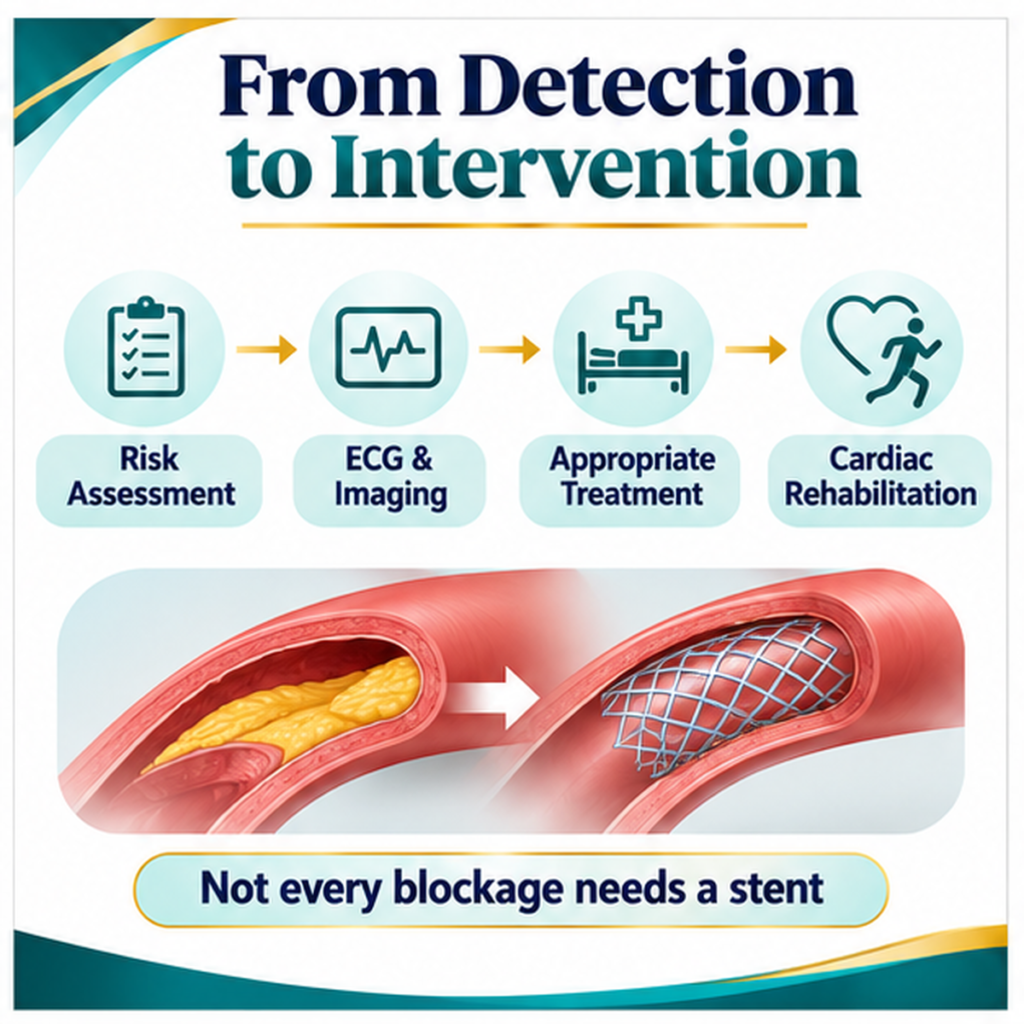
Angioplasty often involves the placement of a stent and can be used to restore blood flow in patients selected for such treatment.
These procedures are particularly important in cases of acute coronary syndromes like a heart attack. An urgent coronary intervention using the techniques of coronary angiography, percutaneous transfemoral coronary angioplasty, and catheter-based coronary stenting can be of great benefit in such cases.
However, not every coronary blockage requires angioplasty.
Patients with stable coronary artery disease are best managed with a strategy of guideline-directed medical therapy with attention to their risk factors and adoption of a healthy lifestyle.
The decision to treat depends on the symptoms for which the patient presents, whether the patient is clinically stable, coronary anatomy found on imaging, and degree of ischemic burden.
One should therefore strive to offer the best possible treatment and not automatically opt for a procedure as soon as coronary artery disease has been detected.
4. India’s Screening Infrastructure Is Expanding
The National Programme for Prevention and Control of Non-Communicable Diseases (NnPNCN) of India is being implemented for population-based screening for non-communicable diseases.
Adults aged 30 years and above will be screened for common NCDs under the National Program for Prevention and Control of Non-Communicable Diseases.
Approx. 40.88 crore hypertension screenings have been recorded under the National Program for Prevention and Control of Non-Communicable Diseases (NPPCNDC) for the adult population of India for common non-communicable diseases as per data released by the Ministry of Health and Family Welfare on 24 March 2026.
4.7 Crore hypertensive patients are reported to have been diagnosed and 5.57 Crore patients are being treated for the condition under the program.
These statistics form part of the continued roll out of the screening of the masses and should be viewed in the context of continued screening of the population and as part of the continued program records rather than as unique national figures.
These numbers provide an insight into the extent of screening going on in the country and not necessarily prevalence figures.
After detection of abnormalities by screening, confirmation of finding, appropriate treatment and continued monitoring are required for effective management of patients.
Screening has limited value if the abnormal screening finding is not confirmed and appropriate treated and monitored.
5. Long-Term Cardiac Care Must Extend Beyond Procedures
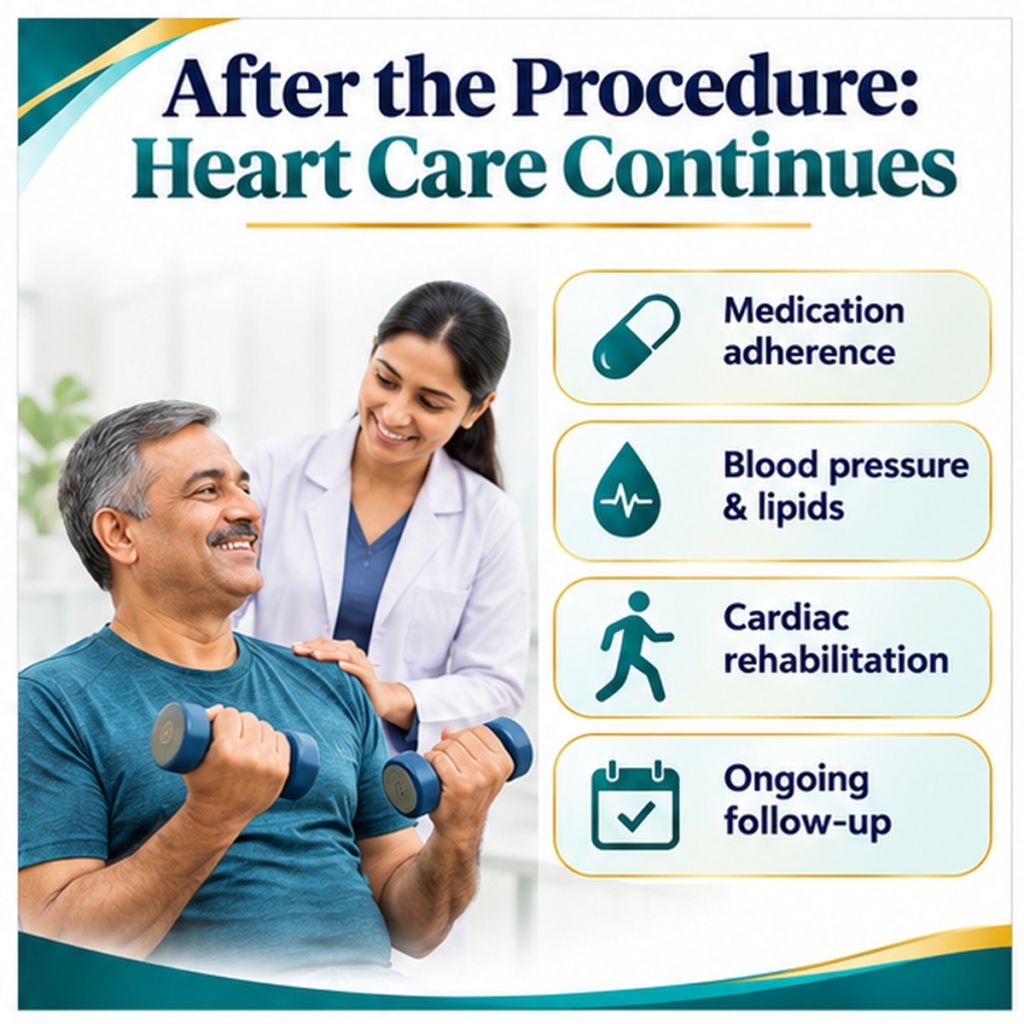
Cardiovascular treatment does not end with a procedure and the patient’s discharge from hospital even if his symptoms have disappeared in the short term.
Patients may require ongoing medication, blood pressure management, lipid control and structured rehabilitation.
Cardiac rehabilitation can be provided on an on-going basis and can include supervised exercise, individually prescribed exercise, health education, risk-factor modification and psychological support.
This prolonged care may also be directed towards improving physical function and long-term cardiovascular health in patients who have had a coronary event.
However, rehabilitation programs need to be individualized to take into account various clinical factors, exercise capacity and comorbid conditions.
Medication adherence is equally important.
After stent placement, patients should follow their treating clinician’s advice on antiplatelet or other medication as prescribed for them. Stopping prescribed medication without medical guidance can pose serious risks to patients.
Taking your medicines as prescribed by your doctor is critical and can have serious negative consequences if you stop taking them without medical guidance.
6. India’s Next Priority Is Integrated Cardiovascular Healthcare
India’s strategy for managing the prevention and control of cardiovascular diseases must include integration of all services of cardiovascular care in the country, right from primary and diagnostic services to emergency cardiac care and intervention followed by rehabilitation of patients.
Primary healthcare professionals can identify risk factors before the onset of symptoms of heart disease.
Cardiologists will provide appropriate specialist diagnostic and therapeutic services for patients with cardiovascular diseases.
Emergency cardiac care has to be made available quickly for acute heart attacks.
After treatment of the heart disease patient, his/her risk for development of other CVDs should be managed in a structured health care system.
Technology can aid in coordination of all care through digital medical records, remote blood pressure monitoring, and follow-up communication with patients.
However, technology does not replace the clinician’s judgment. There are many situations where a direct assessment by the clinician is needed.
Healthcare outcomes should be measured on the basis of the extent and timing of correct diagnosis and treatment, as well as on the degree of control of risk factors for the development of CVD and on the overall well-being of patients in the long run.
Conclusion
Cardiac interventions form a small part of the required healthcare solutions to deal with the Cardiovascular Disease (CVD) epidemic in India.
Cardiovascular mortality in India has been estimated by national health data, and the prevalence of risk factors for cardiovascular diseases has been determined in studies conducted on general Indian populations with hypertension, diabetes, and other metabolic disorders.
While selected patients still need the interventions of an interventional cardiologist, prevention and early detection of heart disease can go a long way in avoiding complications of otherwise treatable heart disease.
The next milestone in cardiovascular health care in India will not be to increase the number of procedures but to ensure all patients receive timely, appropriate and ongoing care to prevent cardiovascular events.